
Essential Kitchen Gadgets for Beginners: Must-Have Tools, Organization Tips & Setup Guide
Building a beginner kitchen setup is not about filling drawers with random tools or buying every trendy gadget available online. A functional kitchen is built around practical essentials that improve cooking efficiency, simplify preparation, reduce unnecessary effort, and create a smooth daily workflow.
Most beginners struggle because they focus on quantity instead of usability. A smaller collection of well-chosen kitchen gadgets often performs better than an overcrowded kitchen filled with unnecessary tools that rarely get used.
This guide explains how to build an organized and efficient kitchen setup, what categories of tools actually matter, how workflow affects cooking performance, and how beginners can make smarter buying decisions before moving into detailed product comparisons or reviews.
What Makes a Beginner Kitchen Setup Efficient?
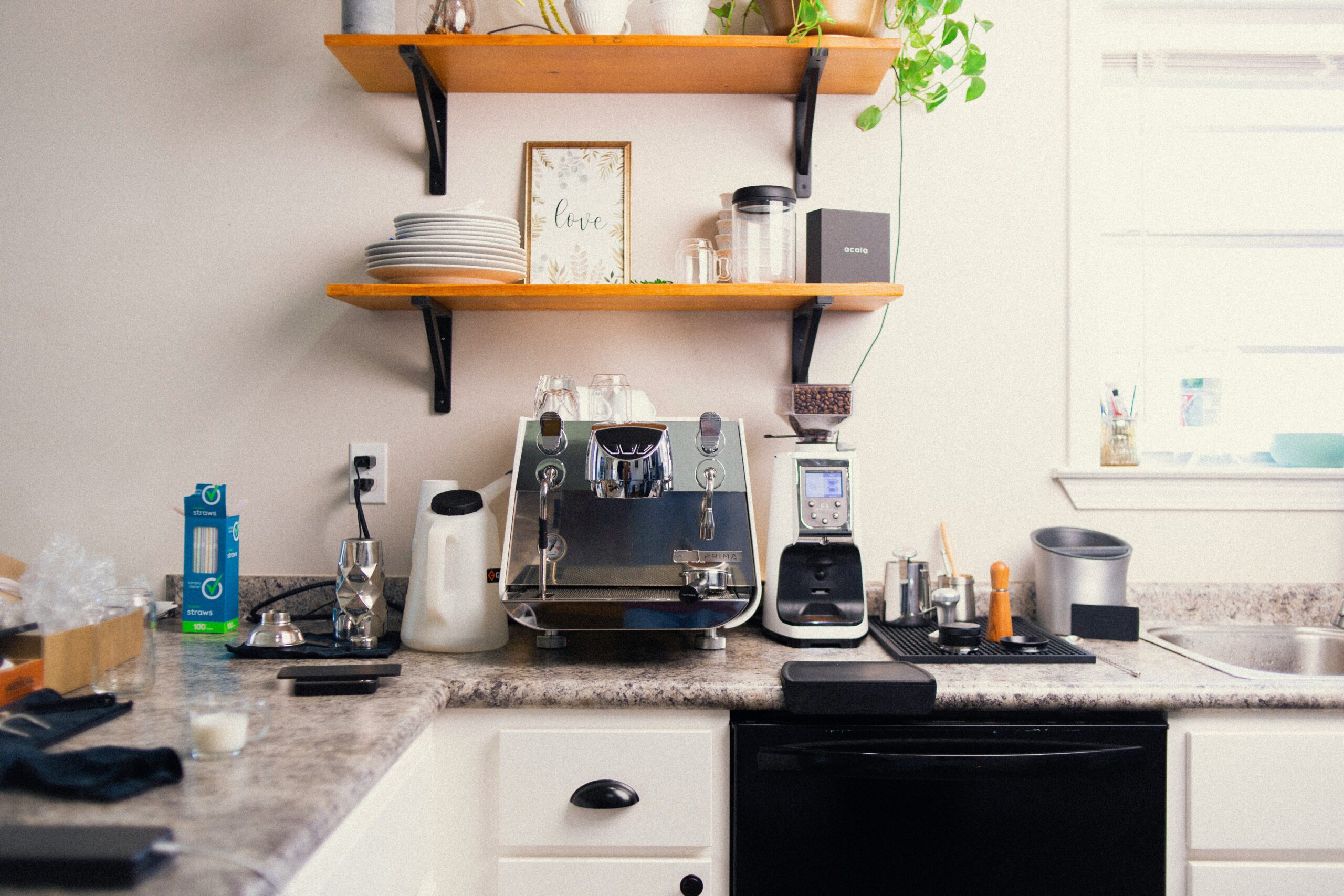
An efficient kitchen setup is built around workflow, accessibility, and functionality. Instead of collecting random appliances and tools, beginners should focus on creating a system where every kitchen gadget serves a clear purpose.
A properly planned kitchen reduces wasted movement, speeds up ingredient preparation, improves organization, and creates a more enjoyable cooking experience. This becomes especially important for beginners because a cluttered or inefficient kitchen often makes cooking feel stressful and complicated.
The goal of a beginner kitchen setup is not to create a professional chef environment. Instead, the goal is to build a practical cooking space that supports daily tasks like meal preparation, ingredient storage, cleanup, and organization.
Modern kitchens rely heavily on workflow optimization. Every section of the kitchen should support the natural order of cooking: preparation, cooking, serving, and cleaning. Kitchen gadgets become valuable when they improve one of these stages without adding complexity.
Efficiency
Tools should simplify repetitive tasks and reduce preparation time.
Organization
A clean workflow improves cooking consistency and reduces kitchen stress.
Usability
Beginner-friendly kitchen gadgets should be simple, intuitive, and practical.
Why Kitchen Gadgets Improve Daily Cooking
Kitchen gadgets are designed to improve efficiency, consistency, and organization in everyday cooking. Even small improvements in workflow can significantly change the overall cooking experience for beginners.
For example, preparation tools reduce repetitive manual effort during chopping, peeling, slicing, and mixing. Organization tools reduce clutter and improve accessibility. Measurement tools improve recipe consistency and help beginners avoid mistakes while learning cooking techniques.
- Reduce repetitive manual preparation work
- Improve ingredient consistency and cooking accuracy
- Support faster meal preparation and cleanup
- Reduce clutter and improve kitchen organization
- Help create a smoother cooking workflow
- Improve confidence for beginner cooks
Many beginners underestimate how important workflow is inside a kitchen. A poorly designed setup creates frustration because simple tasks take longer than necessary. On the other hand, an organized kitchen supported by practical gadgets creates a more comfortable cooking environment.
Efficiency also affects consistency. When tools are reliable and easy to use, cooking becomes more predictable and easier to repeat. This is especially important for beginners learning recipes and developing long-term cooking habits.
Essential Kitchen Gadget Categories
Understanding kitchen gadget categories helps beginners focus on tools that support real cooking performance instead of unnecessary purchases.
Preparation Tools
Preparation tools simplify ingredient prep tasks such as chopping, slicing, peeling, grating, and mixing. These tools improve speed and reduce repetitive manual effort before cooking begins.
Preparation tools also support cleaner ingredient handling and safer kitchen practices. The FDA food safety resources provide additional guidance for safe food preparation in home kitchens.
Examples include cutting boards, peelers, vegetable choppers, mixing bowls, graters, and measuring cups. These tools directly affect preparation efficiency and can significantly reduce time spent in the kitchen.
Cooking Efficiency Tools
Cooking efficiency tools improve temperature control, timing accuracy, and consistency while cooking. These tools support better results with less stress and fewer mistakes.
Examples include kitchen timers, thermometers, measuring scales, and heat-resistant utensils. Beginners often overlook these tools even though they improve cooking precision.
Kitchen Organization Tools
Organization tools improve storage efficiency and reduce clutter. A cleaner kitchen creates a smoother workflow because tools remain accessible and easy to manage.
Drawer organizers, shelf risers, storage containers, and utensil holders are examples of tools that improve organization without increasing complexity.
Measurement & Accuracy Tools
Measurement tools improve recipe consistency and reduce cooking errors. Beginners benefit greatly from accurate measurements because consistency helps develop confidence and repeatable results.
How to Choose Kitchen Gadgets Wisely
The best kitchen gadgets are not necessarily the most advanced or expensive. The best tools are the ones that improve workflow, simplify daily cooking, and remain practical over time.
Beginners should focus on versatility and usability instead of buying niche gadgets that only perform one limited task. Multifunctional tools often provide better long-term value.
Workflow
Choose tools that reduce unnecessary movement and simplify cooking steps.
Storage
Compact and stackable tools help maintain a cleaner kitchen setup.
Ease of Use
Simple gadgets are easier to learn and maintain for daily use.
Durability
Reliable materials and long-term usability provide better overall value.
Another important factor is maintenance. Kitchen gadgets should be easy to clean and easy to store. Complicated gadgets often become frustrating over time because they require additional maintenance or take up unnecessary space.
Beginners should also think about kitchen size. Small kitchens require smarter storage solutions and more compact tools, while larger kitchens can support additional organization systems.
Kitchen Workflow Optimization for Beginners
Kitchen workflow refers to the way movement and tasks flow inside a cooking environment. A good workflow reduces wasted movement, improves organization, and creates a more efficient cooking process.
Most efficient kitchens follow a simple process: preparation, cooking, serving, and cleanup. Every gadget should support one of these stages.
Preparation areas should contain chopping boards, knives, bowls, and measuring tools. Cooking areas should keep utensils and heat-control tools nearby. Cleaning areas should remain accessible without interrupting workflow.
Beginners often place tools randomly without thinking about movement efficiency. This creates unnecessary interruptions during cooking.
Workflow optimization becomes even more important in smaller kitchens where space is limited. Proper organization helps maximize usability without overcrowding countertops.
Efficient kitchen workflow can encourage more consistent home cooking habits and reduce preparation stress for beginners. Research from the Harvard Nutrition Source also highlights the long-term benefits of structured home cooking routines.
Why Minimalist Kitchen Setups Often Work Better
Minimalist kitchen setups focus on practicality and organization instead of excessive equipment. This approach works especially well for beginners because it reduces clutter and makes cooking less overwhelming.
A minimalist kitchen prioritizes multipurpose tools, efficient storage, and clean workflow systems. Instead of filling drawers with single-purpose gadgets, the focus remains on tools that support multiple cooking tasks.
Minimalist setups also improve cleaning efficiency because fewer tools require maintenance. This helps maintain organization and reduces frustration after cooking.
Many modern kitchens follow minimalist principles because they create cleaner environments and more efficient cooking experiences.
Kitchen Organization and Storage Principles
Kitchen organization directly affects cooking efficiency. When tools remain accessible and properly stored, workflow becomes smoother and less stressful.
Storage organization should prioritize frequency of use. Daily-use tools should remain easily accessible, while occasional-use tools can be stored in secondary areas.
Vertical storage systems, drawer dividers, and stackable containers help maximize space without creating clutter.
An organized kitchen not only improves efficiency but also improves the overall visual experience of the space.
Ready to Build Your Kitchen Setup?
Now that you understand how an efficient kitchen setup works, the next step is exploring the best kitchen gadgets that match your cooking style, workflow, storage needs, and daily preparation habits.
View Best Kitchen Essentials